 国家地质公园 · 峡谷绝壁
National Geopark · Slot Canyon
天山神秘大峡谷 (库车大峡谷)
Tianshan Mysterious Grand Canyon (Kuqa Canyon)
由经过亿万年风蚀雨剥形成的巨型红色砂岩山体构成,全长5.5公里,谷底最窄处仅容一人侧身通过。谷内山体赤红如火,嶙峋陡峭,晨昏光线穿透天缝折射出如幻似梦的金赭色光影。谷内盛夏平均气温较谷外低6-8℃,被誉为天山南麓的避暑奇观。
Carved by eons of wind and water through fiery reddish sandstone, stretching 5.5 km with narrows less than a meter wide. Flanked by vertical cliffs that soar over 100 meters, morning and evening sunbeams refract into dramatic crimson and gold rays. Temperatures inside remain pleasantly cooler by 6-8°C during peak summer.
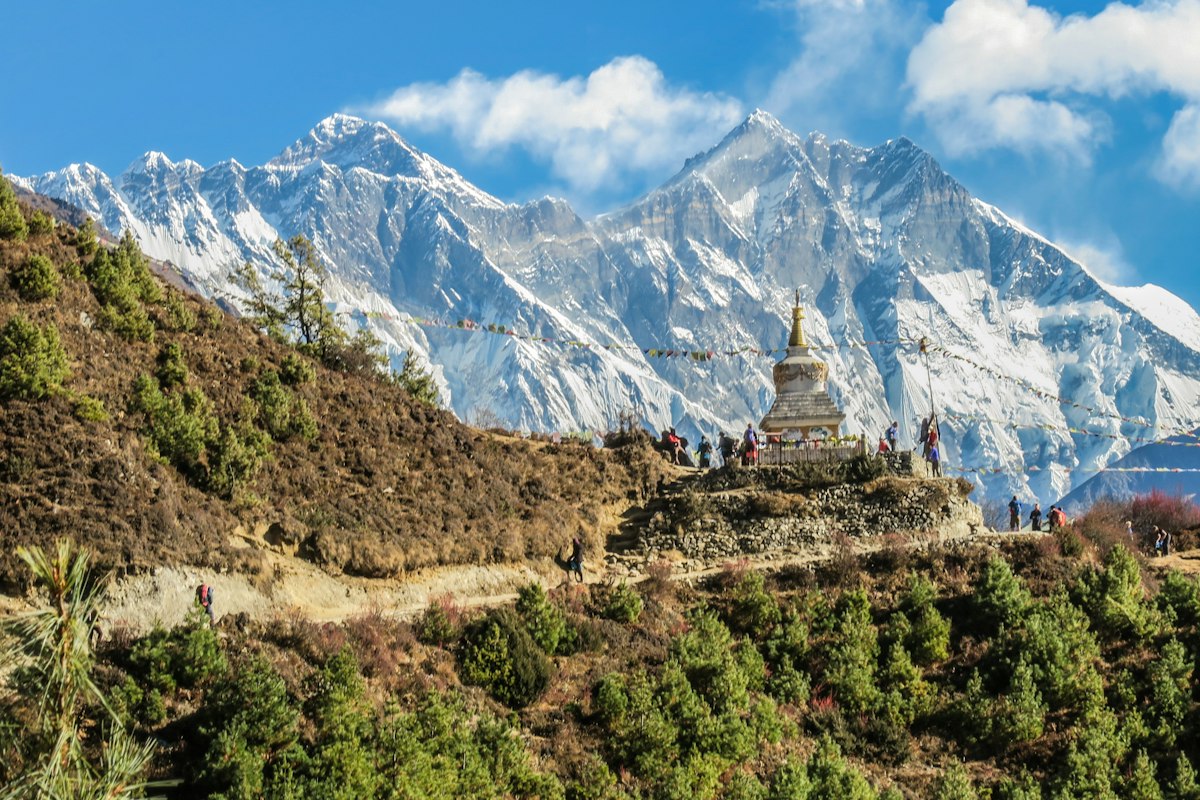 UNESCO世界文化遗产 · 龟兹石窟之冠
UNESCO World Heritage · Kizil Caves
克孜尔千佛洞 (龟兹石窟艺术)
Kizil Thousand Buddha Caves
中国开凿最早的大型石窟群(约始建于公元3世纪),历史比敦煌莫高窟早近三百年。现存洞窟236个,壁画以珍贵的青金石矿物青和赭红描摹佛本生故事、因缘故事以及西域市井音乐舞蹈,开创了举世瞩目的“龟兹画派”,是丝绸之路东西文明交融的至高见证。
China's earliest major Buddhist cave complex (commenced around the 3rd century CE), predating Dunhuang Mogao Caves by nearly 300 years. Comprising 236 numbered caves, its murals utilize vivid lapis lazuli mineral pigments to depict Jataka parables, celestial musicians, and Silk Road cosmopolitan life, birthing the celebrated "Qiuci Painting School".
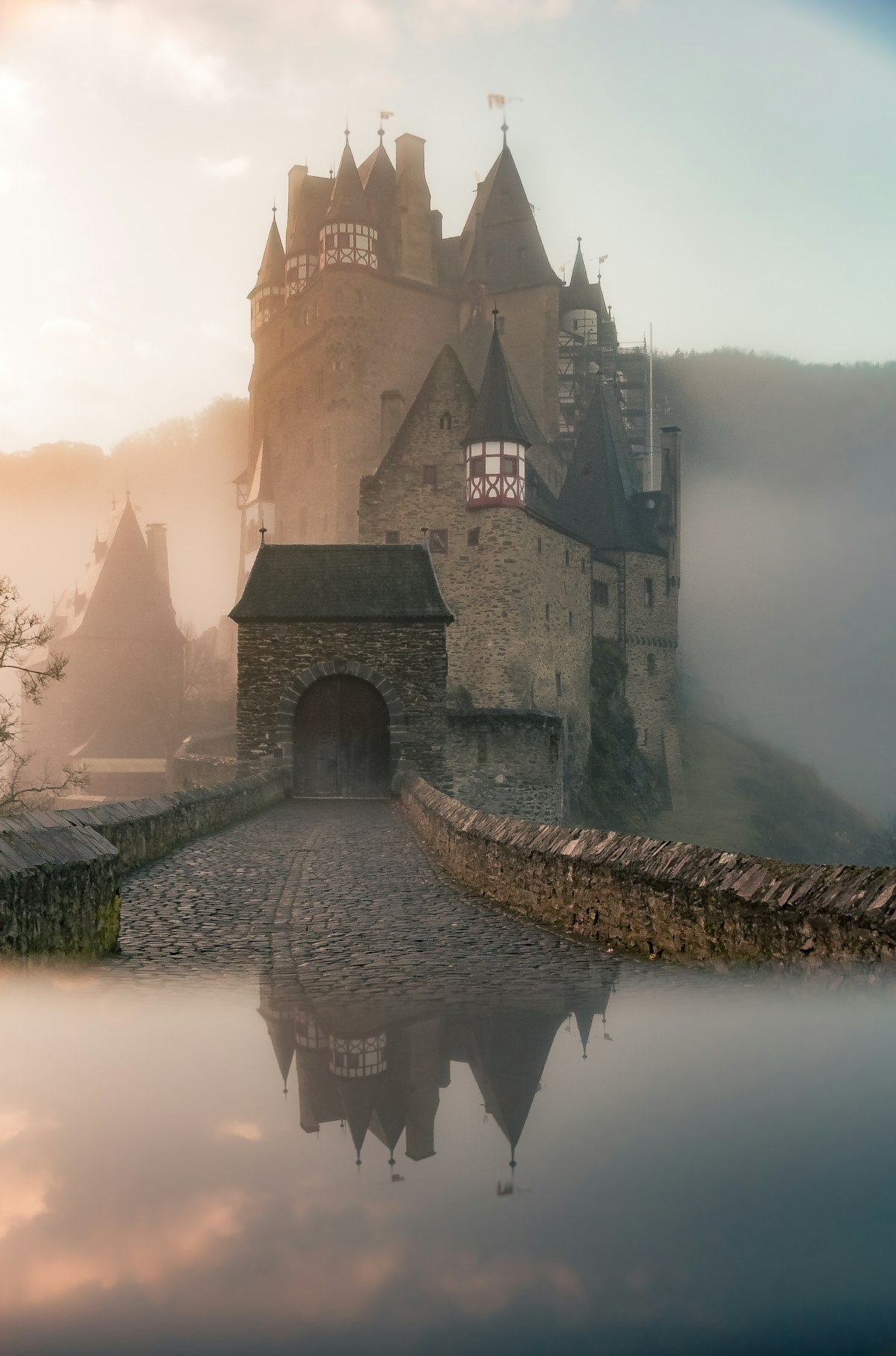 UNESCO世界文化遗产 · 昭怙厘大寺
UNESCO World Heritage · Subashi Ruins
苏巴什佛寺遗址 (昭怙厘大寺)
Subashi Buddhist Temple Ruins
魏晋至唐代龟兹古国最大的佛寺遗址,即玄奘法师在《大唐西域记》中所盛赞的“昭怙厘二僧伽蓝”。全寺横跨库车河两岸,分东寺与西寺,现存佛塔、僧房、大殿等生土夯筑遗迹高耸于戈壁戈壁荒原之上。玄奘曾在此驻锡讲经六十余日,气势撼人心魄。
The largest Buddhist temple ruin of the ancient Qiuci Kingdom dating from the Wei-Jin to Tang Dynasties, acclaimed by Master Xuanzang in his Western Regions memoirs as "Zhaohuli Monastery". Straddling the Kuqa River into East and West Temples, towering rammed-earth stupas and monastic chambers command the arid desert horizon.
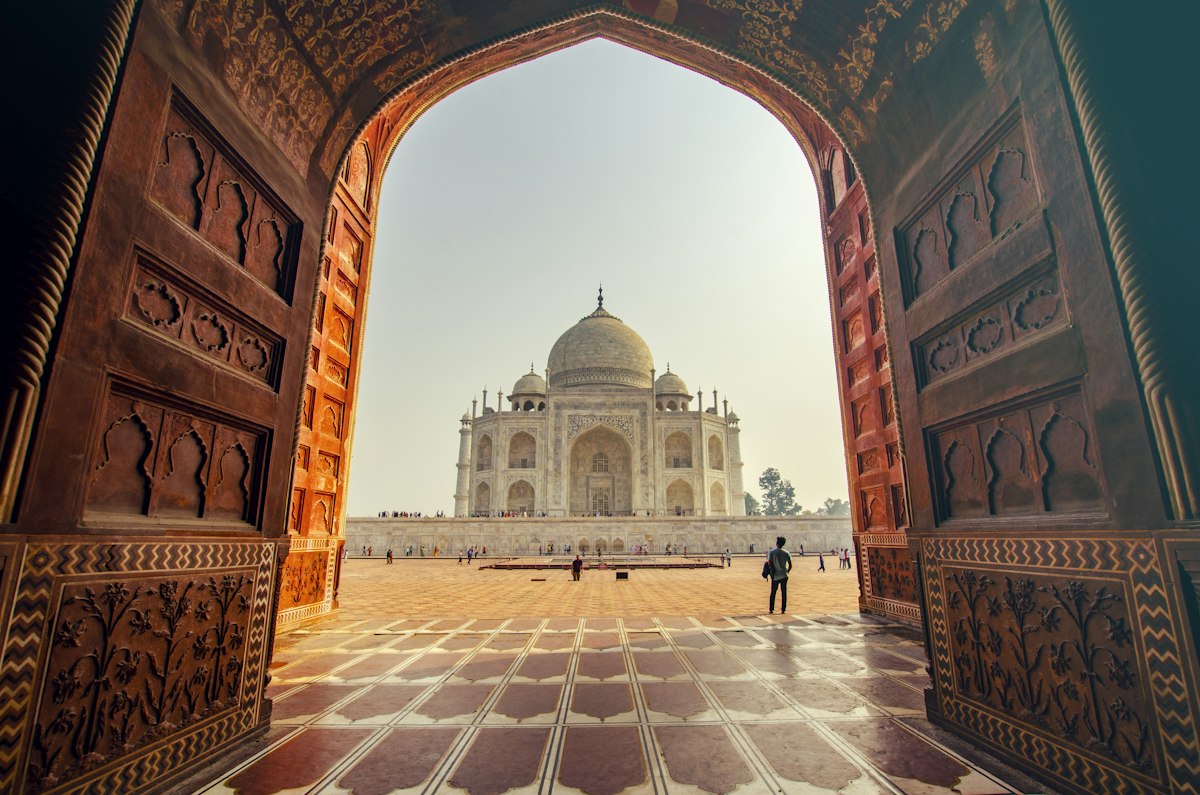 国家AAAA级景区 · 最后的王爷故居
Historical Landmark · Kuqa Royal Palace
库车王府 (末代库车王历史博物馆)
Kuqa Royal Palace
始建于清乾隆二十四年(1759年),为表彰库车首任王爷米尔扎·鄂对协助清廷平定大小和卓叛乱有功而特旨修建。王府融合了中原汉式木构与新疆伊斯兰传统雕花砖拱建筑风格。中国最后一位世袭王爷达吾提·麦合苏提曾在此生活,馆内完整陈列十二代王爷传承信物。
Constructed in 1759 under Emperor Qianlong's decree honoring Prince Mirza Edui for assisting in stabilizing the region. The complex gracefully fuses traditional Han timber architectural motifs with vibrant Uyghur geometric brick-arch designs. China's last hereditary prince, Dawut Mahsut, resided here, leaving an authentic imperial legacy.
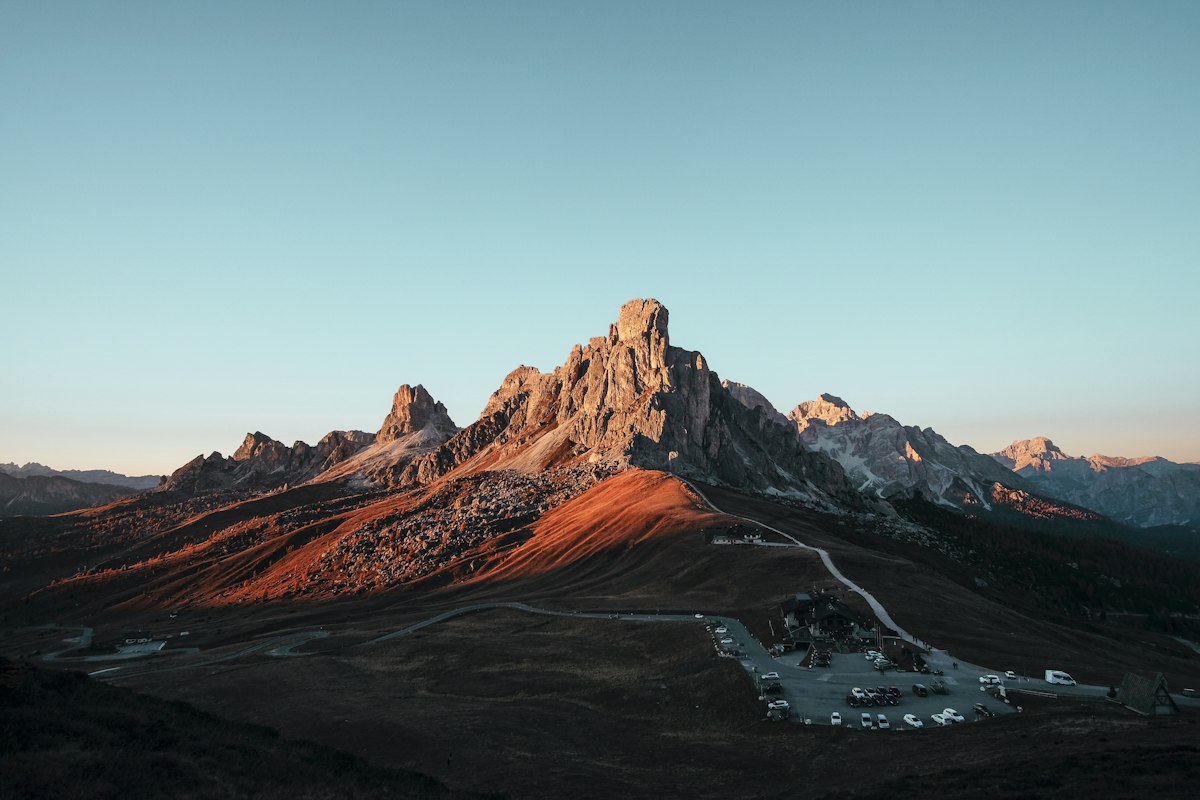 国家AAAA级景区 · 刀郎非遗原乡
Intangible Heritage · Dolan Tribe Village
阿瓦提刀郎部落民俗文化村
Awati Dolan Tribe Folk Culture Village
刀郎人繁衍生息的文化原乡。景区坐落于叶尔羌河与阿克苏河冲积扇上的万亩原始胡杨林中,生动展示刀郎人狩猎、放牧与手作生活全貌。在此可聆听原生态高亢激昂的“刀郎木卡姆”,观赏极富张力、模拟打猎与雄鹰搏击的“刀郎麦西来甫”原生态集体舞。
The ancestral cradle of the Dolan people, nestled inside a 10,000-acre primeval desert poplar forest fed by the Yarkand and Aksu Rivers. Visitors witness authentic Dolan nomadic pastoral ways, thrilling Rawap-driven Dolan Muqam vocal improvisations, and the pulsating, eagle-mimicking Dolan Meshrep collective dance.
 活态地质博物馆 · 托木尔大峡谷
Geological Marvel · Wensu Grand Canyon
温宿托木尔大峡谷 (柯尔克孜语库都鲁克)
Wensu Tomur Grand Canyon
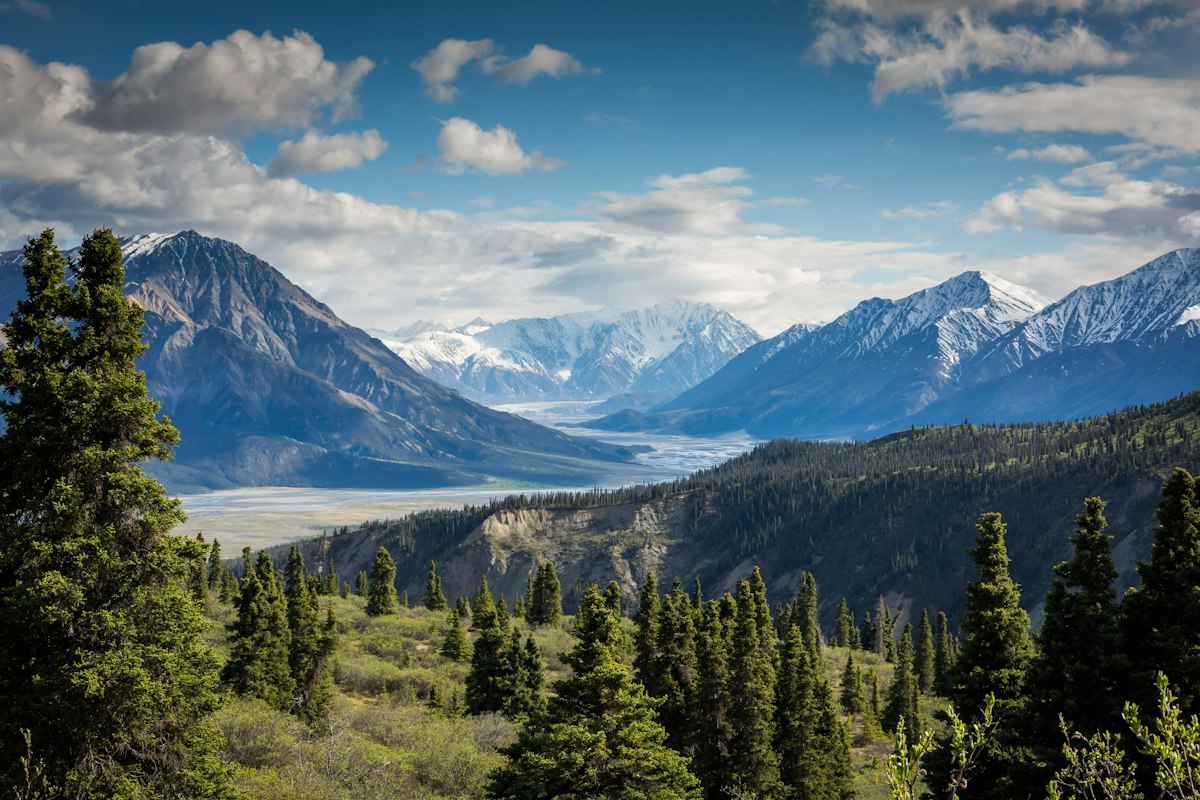
天山托木尔峰脚下最具视觉冲击力的盐丘与丹霞地貌。峡谷内拥有中国罕见的盐岩喀斯特地貌与红层雅丹奇观,巨型柱状、蘑菇状岩石如万千神佛宫阙拔地而起。景区支持自驾四驱越野车深入峡谷内部核心槽道探险,被誉为“中国西部最震撼的地质巨著”。
The most visually dramatic canyon complex at the foot of Mount Tomur, boasting rare salt-karst columns and towering red layered sandstone hoodoos. Resembling a monumental sculpted fortress of gods, certified 4WD vehicles can drive directly through the winding dry canyon floor on self-guided overland safaris.
 UNESCO世界文化遗产 · 汉代丝路第一烽
UNESCO World Heritage · Kizilgaha Beacon
克孜尔尕哈烽燧 (汉代红色哨卡)
Kizilgaha Beacon Tower
始建于汉宣帝时期(公元前1世纪),是中国新疆境内保存最为完好、年代最早、体量最大的古烽燧遗迹。高约16米,由夯土、红柳枝、芦苇层叠垒筑而成。两千余年来傲立风沙荒野,曾见证西域都护府军令传递与丝路使节商旅绵延不绝的雄浑岁月。
Erected in the 1st century BCE during the Western Han Dynasty, this 16-meter-tall beacon tower is the oldest and best-preserved along the northern Silk Road. Constructed of rammed earth interspersed with layers of tamarisk twigs and reeds, it stood as an imperishable sentinel for Han military communication and trade caravans.
南疆第二大清真寺 · 龟兹老城地标
Historic Mosque · Old Kuqa Landmark
库车大寺 (老城伊斯兰生土古建筑)
Kuqa Grand Mosque
新疆仅次于喀什艾提尕尔清真寺的第二大清真寺,始建于16世纪。寺内宣礼塔高达16米,礼拜大殿由88根雕刻精致的彩绘木柱支撑,可同时容纳三千余人。其外墙保留古朴苍凉的生土青砖结构,与老街斑驳土墙相映成趣,是解读龟兹伊斯兰建筑演化的活标本。
The second largest historic mosque in Xinjiang after Kashgar's Id Kah, founded in the 16th century. Supported by 88 exquisitely carved and colored timber columns, the grand prayer hall can accommodate over 3,000 worshippers. The 16-meter minaret and raw-earth brickwork form a quiet spiritual oasis in old Kuqa.